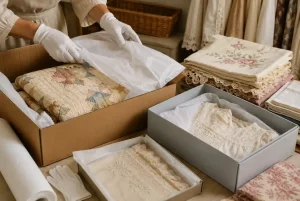
Moving old quilts, embroidered sarees, or a family heirloom shawl is not like packing regular clothes. Antique and vintage textiles are delicate. They can tear, fade, or attract pests if you pack them the wrong way. This guide shows you how to pack antique and vintage textiles for moving safely, step by step. You will learn what materials to use, how to fold or roll different fabrics, and how to protect them from moisture, light, and pests during transit. We also cover Indian rules on antique items and how professional movers can help when a piece is too valuable to risk.
Why Antique and Vintage Textiles Need Special Care
Old fabrics are weaker than new ones. Years of use, sunlight, and storage make fibers brittle. A textile that looks fine on a shelf can rip during a bumpy truck ride. Antique textiles also often have natural dyes, hand embroidery, or delicate lace. These details can be damaged by pressure, folding in the wrong place, or contact with plastic. Treating these pieces like ordinary linens is one of the biggest packing mistakes people make.
Gather the Right Packing Materials Before You Start
Before you touch a single item, collect the right supplies. Using the wrong materials can cause more harm than good. You will need:
- Acid-free tissue paper (unbuffered, for silk, wool, and dyed fabrics; buffered, for cotton and linen)
- Clean, washed cotton muslin sheets
- Acid-free or archival storage boxes
- Cotton gloves (to keep skin oils off delicate fibers)
- Silica gel packets (to control moisture)
- Soft, unpadded cardboard tubes (for rolling large pieces)
- Bubble wrap (only for the outer box, never touching the fabric directly)
Avoid regular tissue paper, newspaper, or plastic bags. Regular paper contains acid that yellows fabric over time. Plastic traps moisture and can encourage mold and mildew.
Step-by-Step Guide to Packing Antique Textiles
Step 1: Clean and Inspect Each Item
Check each textile for stains, tears, or loose threads before packing. Do not wash antique textiles yourself unless you are sure the fabric and dye can handle it. The wrong cleaning method can cause more damage than a small stain. If a piece is very valuable, ask a textile conservator first.
Step 2: Handle Textiles the Right Way
Wear cotton gloves before touching antique fabric. Skin oils and dirt can stain textiles over time. Work on a clean, flat surface, away from food and drinks.
Step 3: Fold and Pad Carefully
Avoid sharp folds. Sharp creases weaken fibers and can crack over years. Instead, pad each fold with crumpled acid-free tissue paper. This keeps the fold soft and rounded, not sharp.
Step 4: Roll Large or Fragile Pieces Instead of Folding
Large textiles like quilts, tapestries, and rugs are safer rolled than folded. Wrap the item around a padded cardboard tube, cover it with cotton muslin, and use tissue paper so the fabric does not touch the tube directly. Rolling avoids the stress that repeated folding puts on old fibers.
Step 5: Pack the Boxes
Line the archival box with acid-free tissue paper. Place the textile inside without cramming. Add a silica gel packet to absorb extra moisture. Leave a little room and do not overstuff, so the fabric is not compressed.
Step 6: Label Everything Clearly
Write “Fragile Antique Textile” and “This Side Up” on every box. Note the item type and any handling instructions. This helps movers handle the box with extra care.
Special Care for Delicate Fabrics
Some fabrics need extra attention beyond the basic steps above:
- Silk: very sensitive to light and humidity. Wrap in unbuffered acid-free tissue and keep away from direct sunlight.
- Lace: support the full shape when folding. Do not let lace hang unsupported, as threads can stretch or snap.
- Embroidery: pad the embroidered side so it is not pressed flat. Never let a metal zipper or button press against embroidery.
- Wool and fur trims: check for moths before packing. Use lavender sachets or cedar blocks nearby; never mothballs directly on the fabric, since mothball chemicals can damage fibers.
Protecting Textiles from Pests, Moisture, and Light During Transit
Moving trucks can get hot, damp, or exposed to sunlight for hours. Protect your vintage textiles by:
- Never leaving textile boxes in direct sun during loading or transit
- Keeping boxes off the truck floor, where moisture collects
- Checking storage areas for signs of moths or silverfish before the move
- Avoiding storage units without climate control for antique or vintage textiles
Legal Requirements for Moving Antique Textiles in India
If you are moving a genuinely old textile out of India, such as an antique shawl, tapestry, or embroidered piece more than 100 years old, Indian law treats it as an antiquity. Under the Antiquities and Art Treasures Act, 1972, exporting any antiquity out of India without a valid permit is not allowed. The Archaeological Survey of India (ASI) is the authority that issues these export permits. Before shipping an antique textile abroad, check with the ASI or a licensed antiquities dealer on whether your item needs a permit. This mainly applies to genuinely old, historically significant pieces, not to recently made “vintage style” items.
Common Mistakes to Avoid When Packing Antique Textiles
- Using plastic bags or plastic bins, which trap moisture
- Storing textiles in a hot attic or damp basement
- Ironing out wrinkles before packing, which can set permanent creases or damage fibers
- Stacking heavy items on top of textile boxes
- Skipping the inspection step and missing early signs of damage
- Forgetting to label boxes as fragile
How Long Textile Packing Takes and What Affects the Cost
The time and cost of packing antique textiles for a move depend on a few factors:
- The number of pieces and how delicate each one is
- Whether the items need conservation-grade materials
- Whether you pack them yourself or hire professional packers
- The distance and type of move: local, domestic, or international
Simple items like a few vintage scarves can be packed in an hour or two. A large collection of antique quilts, tapestries, or bridal wear may take a full day of careful, unhurried work. Because rates and timelines vary by mover and location, ask for a written estimate that lists the exact packing materials used for fragile and antique items.
Why Professional Relocation Services Can Help
Packing antique and vintage textiles takes patience and the right materials. Professional relocation services can make this easier and safer. Trained packers know how to handle delicate, fragile items without damaging them, and they use professional packing materials that can be hard to find in local shops. Movers also handle safe loading and unloading, keeping fragile boxes away from heavy furniture. Many companies offer tracking, so you know where your valuable items are during the move, and insurance assistance can cover the value of antique pieces if something goes wrong. For international moves, some movers can also guide you through documentation like ASI export permits, though you should always confirm current rules yourself. Door-to-door service means your textiles go straight from your old home to the new one, with fewer handling steps in between. This does not guarantee that nothing can go wrong, but it lowers the risk and takes pressure off you during an already stressful move.
Frequently Asked Questions
What is the best material to pack antique textiles for moving?
Acid-free tissue paper is the best material for packing antique and vintage textiles. Use unbuffered tissue for silk, wool, and dyed fabrics, and buffered tissue for cotton and linen. Avoid plastic bags and regular paper, since both can trap moisture or release acid that damages old fibers over time.
Can I fold antique quilts or should I roll them?
Rolling is usually safer for large antique quilts, tapestries, and rugs. Sharp folds create creases that weaken fibers over years. If you must fold, pad each fold with crumpled acid-free tissue paper to keep it soft instead of sharp.
Do I need a permit to move an antique textile out of India?
Yes, if the textile is genuinely more than 100 years old. Under the Antiquities and Art Treasures Act, 1972, you need an export permit from the Archaeological Survey of India before taking a true antiquity out of the country. Recently made “vintage style” pieces usually do not need this permit.
How do I protect antique textiles from moths and pests during a move?
Check storage areas and boxes for signs of moths or silverfish before packing. Use lavender sachets or cedar blocks near wool or fur trims instead of mothballs, since mothball chemicals can damage old fibers directly.
Should I clean antique textiles before packing them for a move?
Only clean antique textiles yourself if you are sure the fabric and dye can safely handle it. The wrong cleaning method can cause more damage than a small stain. For valuable or fragile pieces, ask a textile conservator for advice before the move.
Can professional movers pack antique and vintage textiles safely?
Yes, professional relocation services often have trained staff and archival materials for fragile antique items. They can handle careful folding or rolling, safe loading, and insurance assistance. Still, ask about their specific experience with textiles before hiring them for valuable pieces.
What is the biggest mistake people make when packing vintage textiles?
The biggest mistake is using plastic bags or bins. Plastic traps moisture, which can lead to mold and mildew on old fabric. Use breathable, acid-free materials instead, and store the boxes somewhere dry and away from direct sunlight.
Conclusion
Antique and vintage textiles carry history, family memories, and often real financial value. Packing them for a move takes more care than packing everyday clothes. Use acid-free materials, handle each piece gently, and roll large or fragile items instead of folding them tightly. Protect everything from moisture, pests, and sunlight during transit. If you are moving a genuinely old piece out of India, check the Antiquities and Art Treasures Act, 1972 rules before you ship it. When you follow these steps to pack antique and vintage textiles for moving, you protect pieces that cannot be replaced, and give them the same care they gave your family for generations. If the collection is large or especially valuable, a professional relocation service can take some of that pressure off your hands.