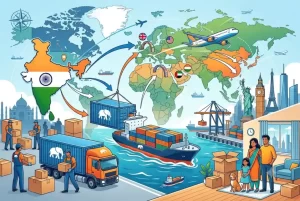
Moving to a new country is an exciting milestone, but the logistics of transporting your entire life across borders can quickly become overwhelming. Whether you are moving from India to the United States, relocating for a corporate assignment in Europe, or returning home after years abroad, the stress of dealing with fragile items, stringent customs regulations, and endless paperwork is real. Without the right expertise, an overseas move can easily turn into a logistical nightmare.
That is exactly where expert international relocation services step in to save the day. If you are wondering How India Relocations Simplifies Cross Border Moving, the answer lies in their end-to-end management of the entire process. From world-class packing to navigating complex Indian customs laws, professional packers and movers take the heavy lifting off your shoulders.
In this comprehensive guide, we will explore the essential steps, required documents, government regulations, and insider tips to ensure your international moving experience is completely hassle-free.
Understanding the Complexities of International Relocation
An international move is vastly different from a domestic one. When shifting within a country, the primary concern is the physical transportation of goods. However, cross border moving involves a complex web of international laws, shipping logistics, tax implications, and strict border controls.
Without a clear strategy, expatriates often face delayed shipments, damaged goods, or unexpected customs duties. To avoid these hurdles, partnering with an experienced overseas relocation company is the most effective solution.
How India Relocations Simplifies Cross Border Moving Step-by-Step
Transporting your household goods from one continent to another involves multiple coordinated stages. Here is a step-by-step breakdown of how a top-tier international moving company manages the process:
1. Pre-Move Survey and Strategic Planning
Every successful overseas relocation starts with a detailed assessment. Relocation experts conduct an in-home or virtual pre-move survey to calculate the total volume of your goods. This helps them understand your specific relocation logistics needs, provide an accurate cost estimate, and draft a customized moving plan.
2. Export-Grade Packing and Inventory Management
Standard domestic packing materials will not survive turbulent flights or rough ocean waves. Professionals use heavy-duty, export-quality packing materials—such as edge protectors, moisture-resistant wrap, and custom-built wooden crates—to safeguard fragile and high-value items during international shipping. They also create a detailed inventory list, which is a mandatory requirement for customs checks.
3. Choosing the Right Freight Forwarding Option
Depending on your budget and timeline, moving experts help you choose the best transport method:
- Air Freight Shipping: Fast and highly secure, but more expensive. Ideal for urgent deliveries, student luggage, or small shipments under 100 kg.
- Sea Freight Shipping: Highly cost-effective for large volumes, such as an entire household goods relocation or international vehicle transport.
4. Smooth Customs Clearance and Documentation
One of the hardest parts of relocating internationally is dealing with border control. Your relocation partner handles everything from the Bill of Lading to specific customs declaration forms, ensuring 100% compliance with both Indian export laws and the destination country’s import regulations.
5. Door-to-Door Delivery and Unpacking
The journey does not end when your cargo arrives at the destination port. The best international packers and movers provide complete door-to-door international shifting services. They clear customs in the new country, deliver the boxes right to your new home, and often assist with unpacking and debris removal.
Important Regulations, Documents, Costs, and Timelines
When moving out of or into India, understanding the legalities is crucial. The Directorate General of Foreign Trade (DGFT) and Indian Customs have highly specific protocols for importing household goods and exporting personal effects.
Essential Customs Documentation
To avoid cargo delays, ensure you have the following customs clearance documentation ready well in advance:
- Valid Passport and Visa for the destination country.
- Bill of Lading (for sea freight) or Airway Bill (for air freight).
- Comprehensive, itemized Packing List and inventory.
- Commercial Invoice (if shipping commercial items).
- Employment letter, work permit, or residence proof.
- Comprehensive transit insurance certificate.
India Customs Regulations: Transfer of Residence (TR) Rules
For NRIs or foreign nationals moving to India, the Transfer of Residence (TR) rules provide significant tax benefits. You can import old and used household goods duty-free if you meet specific criteria:
- You must have lived abroad for a minimum of two continuous years.
- You must not have visited India for more than six months in the preceding two years.
- The goods must be shipped and arrive within two months of your arrival in India.
Note: While standard used household items like furniture and clothes are duty-free, specific electronic appliances (like televisions, air conditioners, and large refrigerators) are generally subject to a concessional customs duty rate of 15% under TR rules.
Estimated Timelines and Costs
- Air Freight Shipping: Generally, takes about 7 to 14 days from India to most global destinations.
- Sea Freight Shipping: Typically takes anywhere from 30 to 45 days, depending on the distance, shipping route, and port congestion.
The cost of international relocation depends on the total volume (measured in cubic feet), chosen freight method, distance, and destination taxes. Always ask your moving logistics partner for an all-inclusive, transparent quote to avoid hidden terminal handling charges.
Common Mistakes to Avoid During Overseas Relocation
Even a small oversight can cause massive delays and financial loss during a cross-border move. Watch out for these common pitfalls:
- Incomplete Documentation: Missing a single signature on your customs declaration form or providing a vague description (e.g., writing “misc items” instead of “used cotton clothes”) can hold your cargo at customs for weeks.
- Packing Items Yourself: Most customs authorities prefer or mandate a professional packing list verified by certified packers and movers. DIY packing often leads to high scrutiny, physical inspections, and unpacking at customs.
- Ignoring Restricted Items: Every country has a strict prohibited items list. Shipping banned agricultural products, specific medications, flammable items, or restricted electronics can result in cargo confiscation and heavy fines.
- Skipping Transit Insurance: International transit involves multiple handling points across trucks, cranes, ships, and planes. Always invest in comprehensive international moving insurance to protect your financial investment against unforeseen damage, loss, or natural disasters.
Why Professional Relocation Services Can Help
Planning an international move is basically a full-time job. Here is Why Professional Relocation Services Can Help you navigate this massive transition seamlessly:
- Deep Regulatory Knowledge: Professional moving experts stay constantly updated on ever-changing global customs laws, quarantine regulations, and import duties, ensuring your shipment complies perfectly.
- Single Point of Contact: Instead of frantically dealing with separate truck drivers, shipping lines, insurance agents, and customs brokers, a dedicated move manager coordinates the entire supply chain for you.
- Advanced Risk Mitigation: From secure warehouse storage facilities to advanced GPS tracking systems, top-tier logistics companies minimize the risk of damage, theft, or long delays.
- Stress Reduction: Handing over the physical and administrative heavy lifting to an expert relocation company allows you to focus on what truly matters—settling into your new job, finding a good school for your children, and adjusting to a new culture.
Conclusion
Relocating to a different country is a monumental life event that requires precision, expert planning, and flawless execution. By understanding the critical stages of export packing, freight management, and customs compliance, you can properly prepare yourself for the journey ahead.
Ultimately, knowing how India Relocations simplifies cross-border moving allows you to make informed decisions and partner with the right experts. By hiring reputable, experienced international packers and movers, you completely eliminate the stress of logistics, avoid costly rookie mistakes, and ensure your cherished belongings arrive safely at your new doorstep. Start your next global journey with confidence, armed with the right knowledge and the best moving professionals by your side.
Frequently Asked Questions (FAQs)
- What are international relocation services? International relocation services encompass the complete end-to-end process of moving your household goods or commercial items from one country to another. This includes professional packing, freight shipping, customs clearance, transit insurance, and final door-to-door delivery.
- How long does cross-border moving typically take? The timeline depends heavily on the shipping method. Air freight shipping generally takes 7 to 14 days, while sea freight shipping can take between 30 to 45 days, factoring in customs clearance and port handling times.
- What is the Transfer of Residence (TR) rule in India? The TR rule is an Indian customs regulation that allows returning Indian nationals and foreign expatriates to import their used household goods duty-free, provided they have lived abroad for at least two years and meet other specific residency conditions.
- Do I need transit insurance for moving abroad? Yes, absolutely. International moving insurance is highly recommended because cross-border shipments undergo multiple transfers between trucks, ports, and ships. Insurance protects you financially against accidental damage, loss, or theft during transit.
- What items are strictly prohibited during international moving? While rules vary by destination, universally restricted items include hazardous materials, flammable liquids, live plants, perishable food items, narcotics, weapons, and certain high-value unrecorded items like loose precious stones.
- Can I pack my own boxes for an overseas relocation? While you can pack personal items, it is highly discouraged for international shipping. Customs authorities require a detailed packing list signed by recognized packers and movers. Self-packed boxes are often flagged for intense manual inspection, leading to major delays.
- Is sea freight or air freight better for international shipping? It depends on your priorities. Sea freight is the best option for moving large volumes of furniture affordably, while air freight is significantly faster but much more expensive, making it ideal for essential, urgent items.